Textile printing with sublimation, DTF and HTV starts with the item you want to make. Two faces on a pillowcase, a graphic against a faux bleached shirt and a name on a Santa sack raise different design questions. Choose the textile and artwork idea, then identify the materials and equipment for that application.
Choose the textile product first
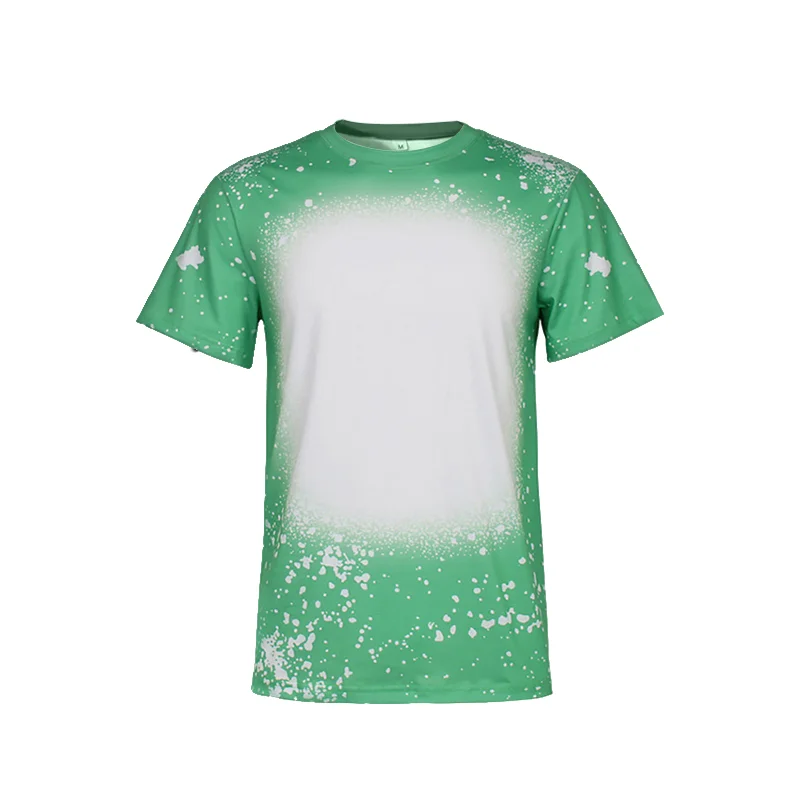
For apparel, the choice includes short- and long-sleeve polyester faux bleached shirts. For pillowcases, two models share a 40 × 40 cm overall size but need their own construction and printing questions. A seasonal drawstring Santa sack is another shape again. Start with which finished item the design is meant to become.
For a photograph and short message on different pillowcase faces, the printable-side count matters at the start. On a garment, the graphic's position against the faux bleached appearance may decide the choice. A rough layout makes either idea easier to discuss while the materials and process are still being selected.
The proposed design doesn't establish that every printing method suits the item.
Separate sublimation, DTF and vinyl requirements
STB-TBTL03 gives the discussion a specific garment and process: a short-sleeve polyester faux bleached shirt identified for sublimation. The artwork, any required composition detail and the operating directions still need to concern the actual equipment and consumables being considered.
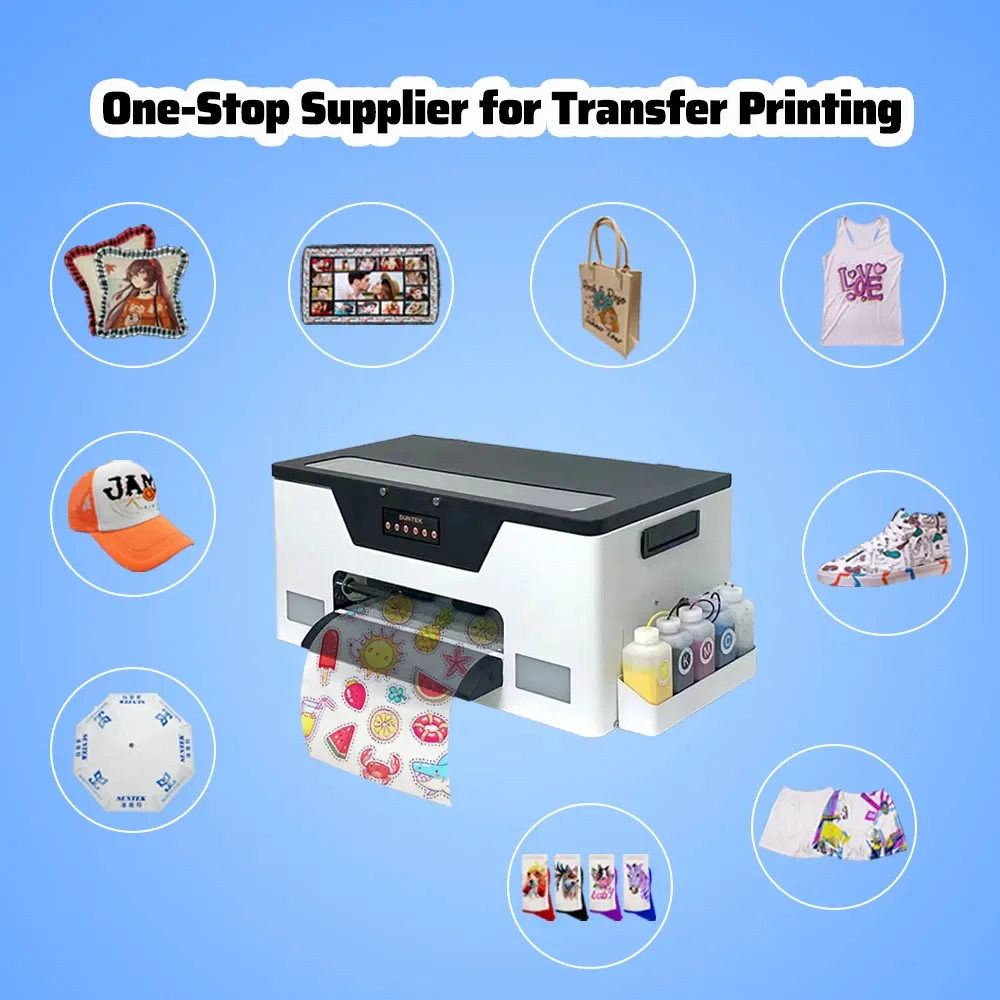
For DTF equipment, STM-DTF3042X is an A3 desktop printer for PET film. STC-FDTF60 is a PET DTF transfer film roll. Those are separate product identities, even when they are part of one enquiry. The Suntek STM-DTF3042X listing identifies the printer; the proposed film and other materials need their own details before a combination can be treated as agreed.
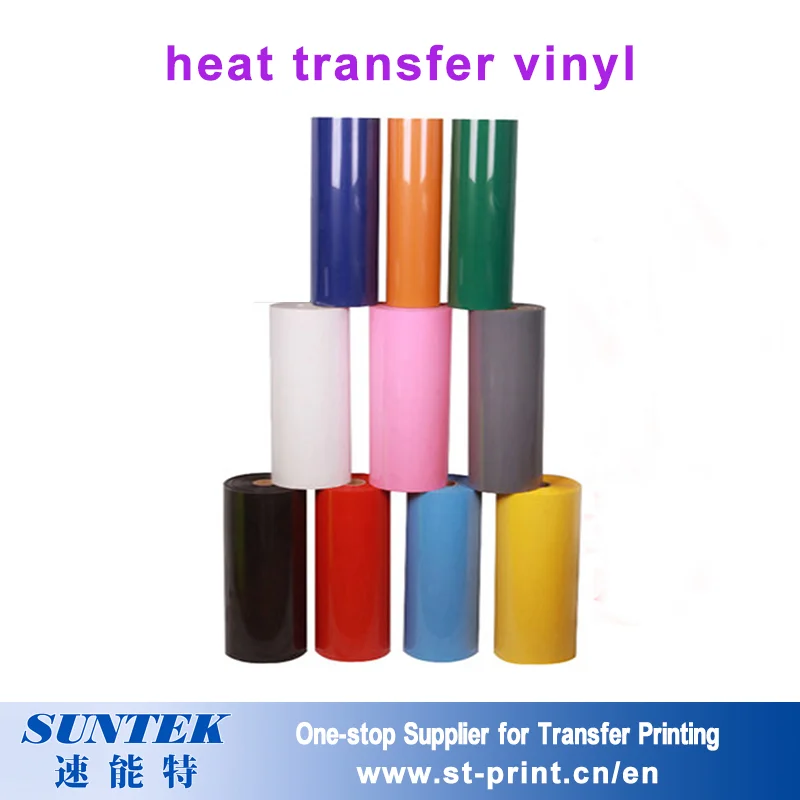
For the st101 heat-transfer vinyl series, choose the variant before comparing its material and dimensions. STC-T03 is another material choice, A4 transfer paper for dark-coloured cotton textiles. A general request for transfer supplies leaves those selections open. The actual product and intended application need names before a quantity or process comparison means much.
Compare the actual blank formats
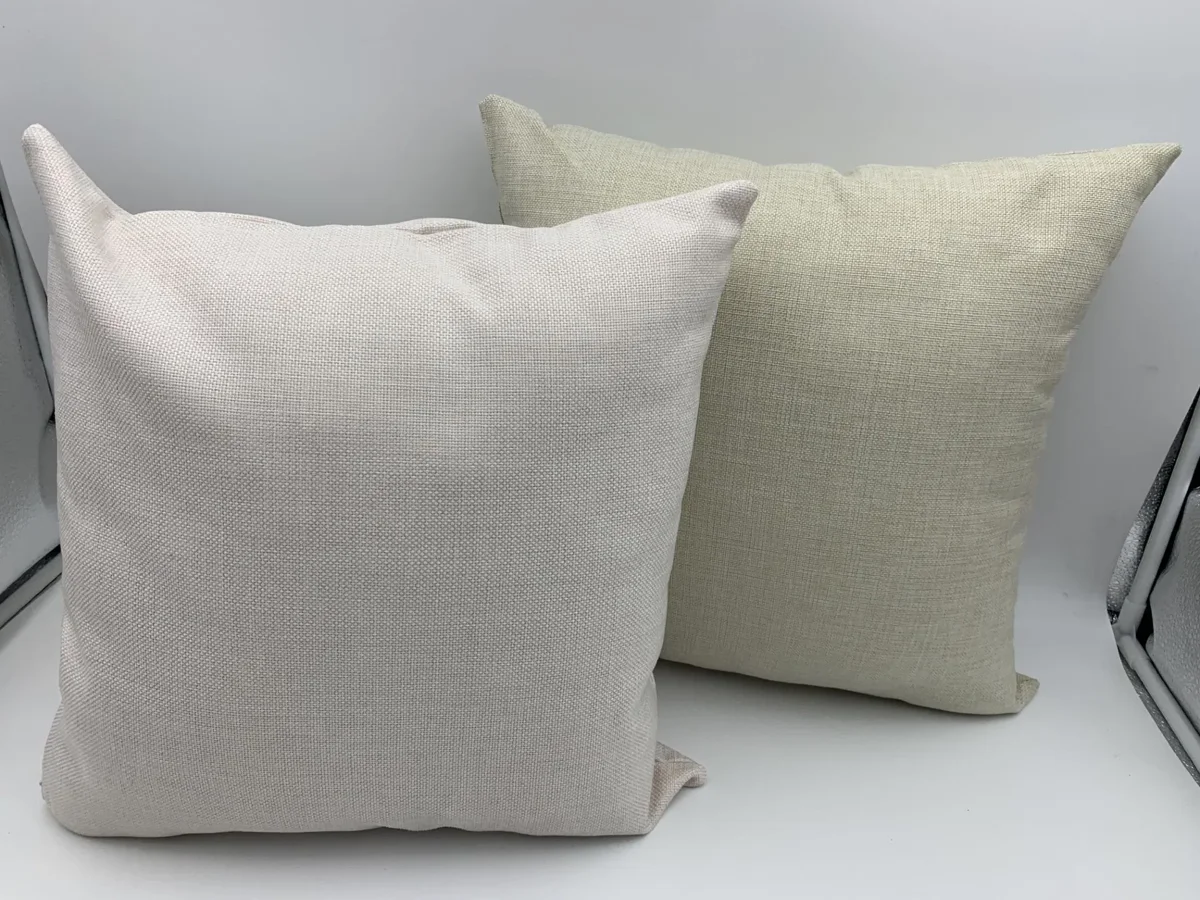
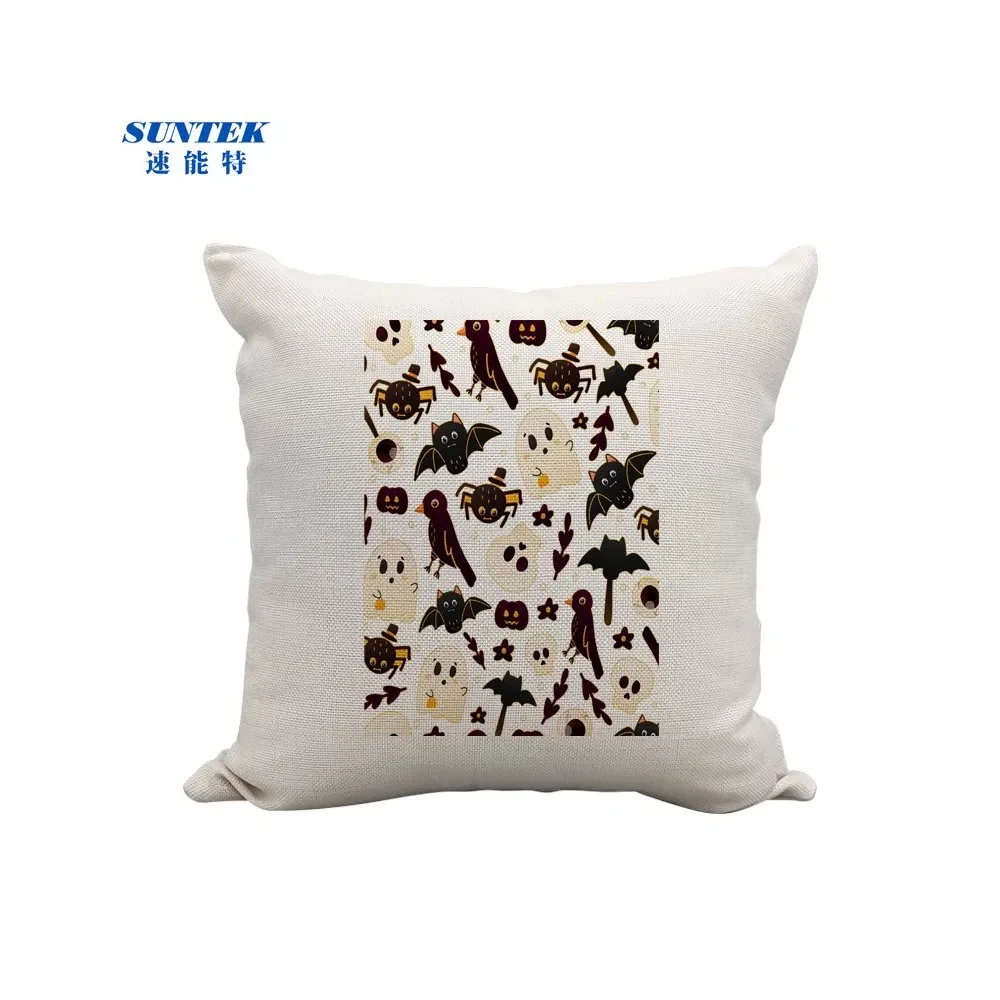
STB-CFYM40 is a burlap sublimation pillowcase measuring 40 × 40 cm. STB-CYMK is also 40 × 40 cm, described as linen burlap with two printable sides. The Suntek STB-CYMK listing gives that two-face reference. If the design needs both faces, bring it into the choice explicitly; don't transfer a printable-side count from one pillowcase model to the other.
For garments, STB-TBTL03 has short sleeves. STB-TBTL01 is the long-sleeve polyester faux bleached shirt, with sizes identified as S, M, L, XL and 2XL. Get the measurement chart for the model being considered before deciding the size split. The long-sleeve size list shouldn't become a short-sleeve specification through a shared style name.
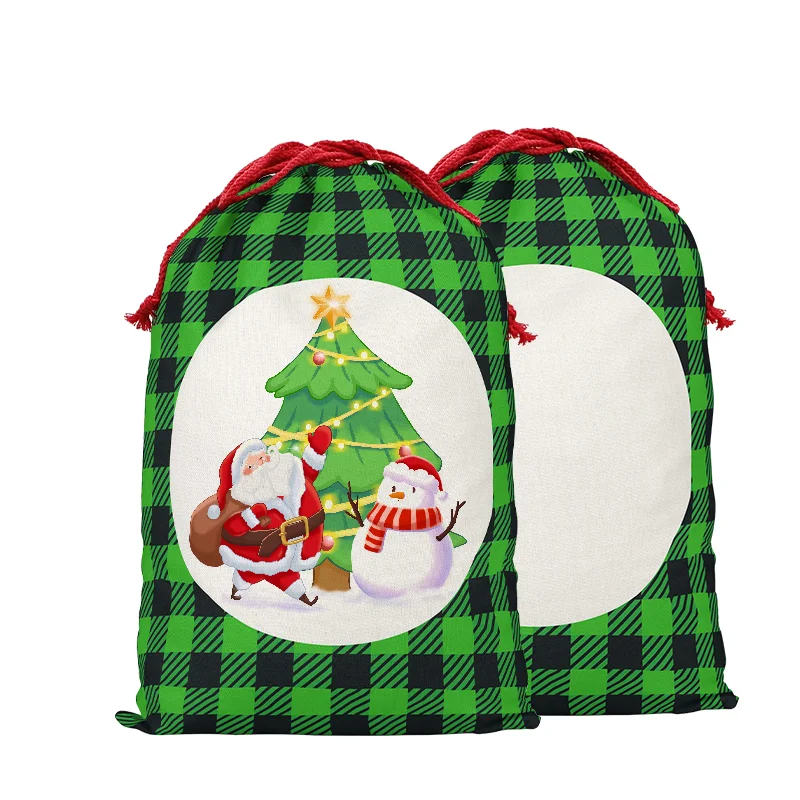
STB-BFBB06 is a drawstring Santa sack for heat transfer printing, with a unit weight of 0.14 kg. Choose it around that sack identity. Get its current dimensions and printable area if the gift or artwork needs a particular space. The STB-BFBB06 Santa sack gives a specific format for that discussion, without turning the unit weight into a size or capacity measurement.
An apparel quantity needs a size split; a pillowcase or sack enquiry needs its chosen format kept clear. When several products will carry one graphic, compare the rough layouts before treating them as one design order. The image can be shared while its position on a shirt and its two labelled faces on STB-CYMK remain separate artwork decisions.
Plan the design and working area
Label the two faces of the STB-CYMK artwork and show how they should relate. Matching images and a photograph with a reverse-side message are different ideas. Get the available image area before finalising either one. The outside 40 × 40 cm case measurement isn't automatically the printing boundary.
Put the current shirt appearance beside the design, especially if the graphic needs to sit within the faux bleached look. For a Santa sack, show the name or illustration in its intended position. A change of blank means returning to those questions: the design idea may stay, while its measurements and placement need to follow the new item.
A4 on STC-T03 means a sheet size of 297 × 210 mm. The dark-cotton transfer paper needs layout guidance for the proposed printer as well. An outside sheet measurement can't answer the usable image-area question for every machine, just as an A3 printer label doesn't settle every media arrangement.
Keep each material and machine specification separate
STM-DTF3042X has a white-ink circulation pump and a stated power value of 2000 W. Discuss its operating, maintenance and installation requirements for the actual configuration. Those details identify the equipment; they don't supply a production rate or complete the requirements of a wider textile workflow.
For STC-FDTF60, PET identifies the material and roll identifies the format. Get the quoted roll's width, length and handling directions. Its model characters shouldn't become an assumed width, and the film description won't select a peel method. With st101, leave each variant's material, dimensions and directions together so separate options remain recognisable in the comparison.
The same discipline applies to fabric descriptions. Linen burlap on STB-CYMK and polyester on the two shirt models leave fibre-percentage questions to be addressed where required. It's useful to put the intended ink, transfer materials and equipment into that conversation. Get the preparation and operating directions for the particular combination before carrying over a recipe from another item.
The units used in a comparison need the same care. STC-T03 has an A4 sheet reference; STC-FDTF60 needs the dimensions of a quoted roll; a garment order needs quantities against its sizes. Have the quantity and packing described with each item, so a count on one quotation doesn't silently become the basis for comparing a different material format.
Prepare a textile project brief
Bring the chosen blanks, artwork and quantities together, with any size split or two-face design labelled. Keep the proposed consumables and equipment identifiable as separate items. The buying brief page helps organise the details; the product enquiry page provides a route for discussing them. Add the destination, presentation needs and required arrival date when addressing current supply arrangements. An undecided variant can stay a visible choice rather than becoming an order instruction by default.
Questions & answers
Do two 40 × 40 cm pillowcases have the same printing arrangement?
STB-CYMK is identified as two-side printable. STB-CFYM40 has its own product description and dimensions; its printable arrangement needs to be settled separately. Keep each model beside its artwork and get the usable image area before treating the overall case size as a template.
Can the PET film roll and an HTV variant be ordered as the same material?
STC-FDTF60 is PET DTF film in roll format, while st101 is a heat-transfer vinyl series with separate variants. Give them separate references and discuss the application for each. A general transfer-material label won't define the properties or directions of the selected item.
What if a particular garment or printing machine is already selected?
Bring its exact reference, the textile composition if known and the proposed artwork. Identify any consumables planned for use as well. That gives the discussion an actual combination to address before the design is treated as ready for production or another material is chosen as a replacement.