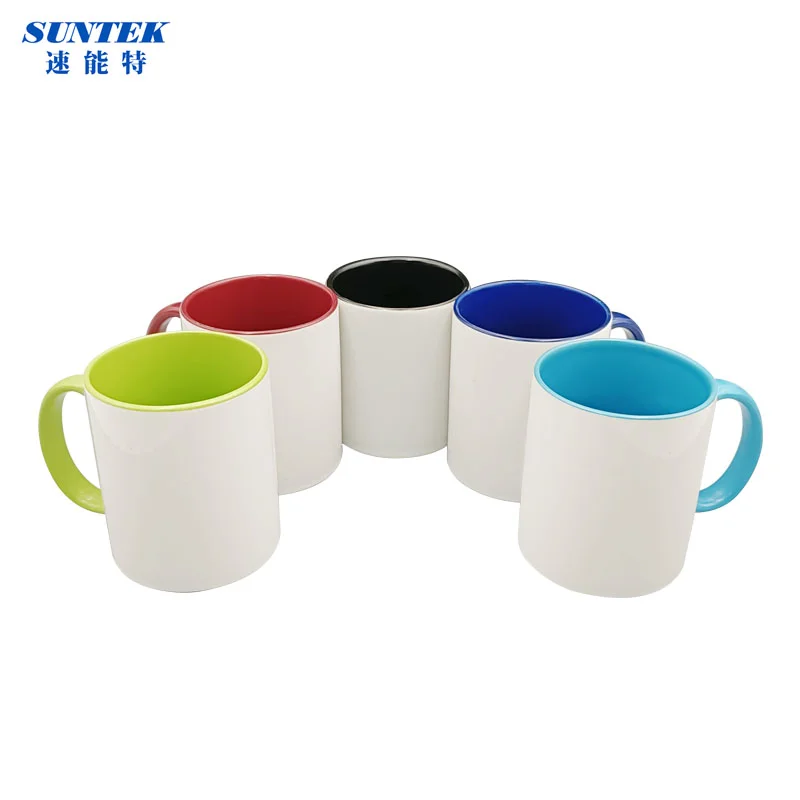
Sublimation drinkware supplies begin with the vessel. An 11oz ceramic mug with a coloured inner and handle, a 20oz car cup and a tumbler with a speaker give a design different starting points. Choose the item, then bring its dimensions and artwork to the equipment discussion. Capacity alone won't select the press.
Choose a mug or tumbler format
STB-MC04 is an 11oz ceramic sublimation mug with a handle and a colour inner-and-handle design. Bring those colours into the artwork choice. If the image has a particular palette, show it beside the intended mug appearance when discussing the current item. The STB-MC04 mug identifies that choice, rather than leaving the request open to any white mug.
For a different format, STB-MCCC20 is a 20oz car cup blank in 304 stainless steel, with double-wall construction and a net weight of 0.265 kg. The Suntek STB-MCCC20 listing identifies those details. If the purchase depends on the item fitting a particular space, bring the required dimensions into the discussion. The car-cup name and capacity leave the exact fit to be settled for the intended use.
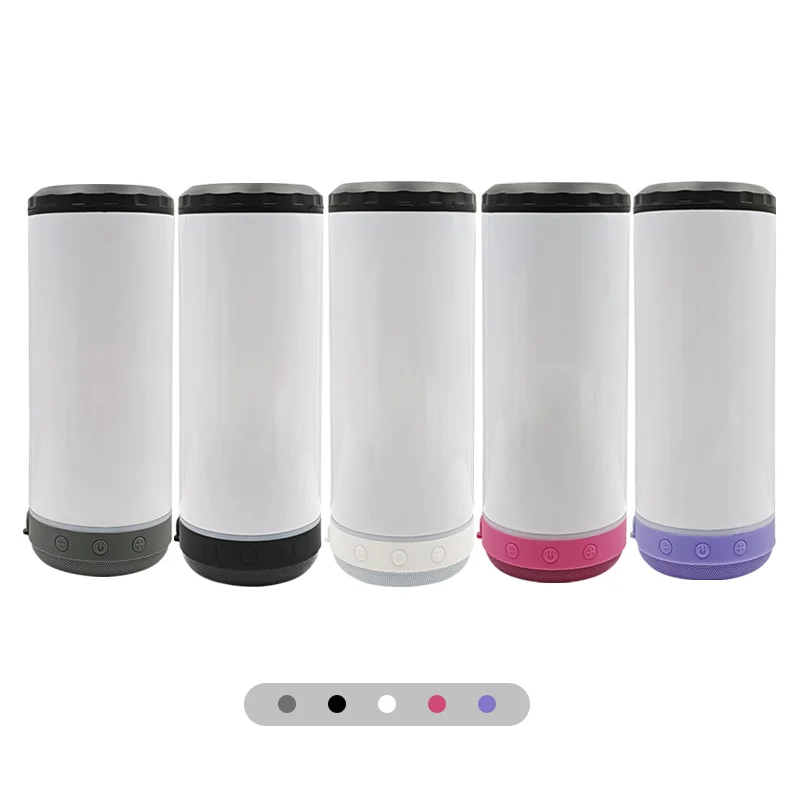
STB-ABT20OZ is also 20oz. Here, though, the item is a sublimation tumbler with a wireless speaker, double-wall construction and a cover. If the speaker is part of the gift idea, get the handling instructions and current component details while choosing it. The shared capacity doesn't give this tumbler the car cup's material or weight. They remain different product choices.
For a range built around one graphic, compare rough layouts on the proposed blanks before choosing the range. STB-MC04 brings its colour inner and handle into the visual decision; STB-MCCC20 has the car-cup identity and different material; STB-ABT20OZ adds a speaker. One design idea can be discussed across them while each remains its own product.
Match the press to the blank
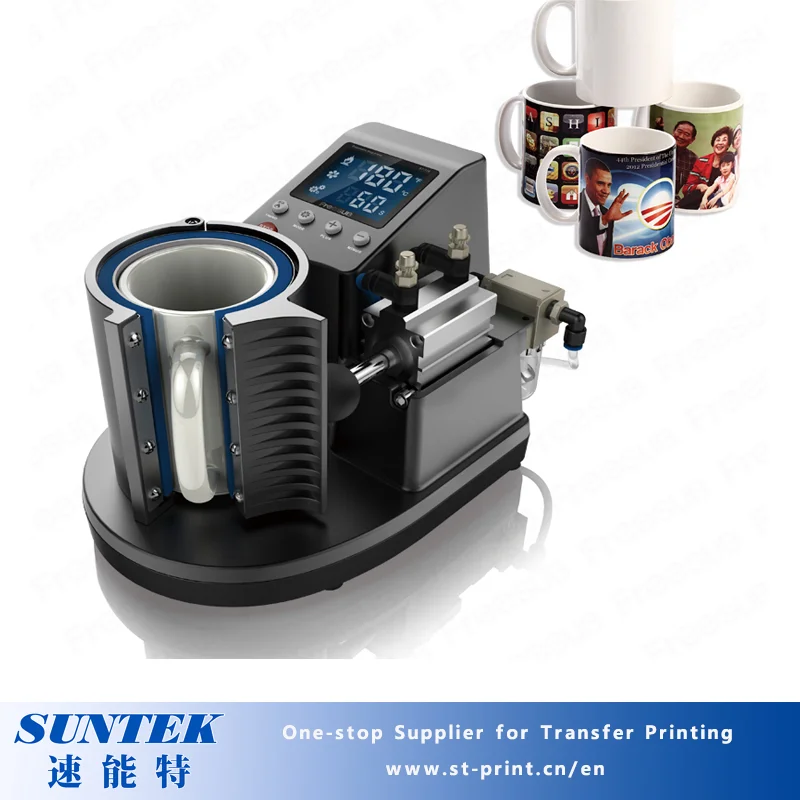
The equipment choice has several distinct starting points. ST-110 is a pneumatic single-mug press with an 11oz mug-format reference. It has a built-in micro inflating pump, LCD automatic control, a stated power of 280 W and a weight of 5 kg. Those are details to discuss for the ST-110 single-mug press. Its 11oz reference and STB-MC04's capacity don't, by themselves, establish a matched pair; the actual mug geometry and relevant equipment arrangement still need an answer.
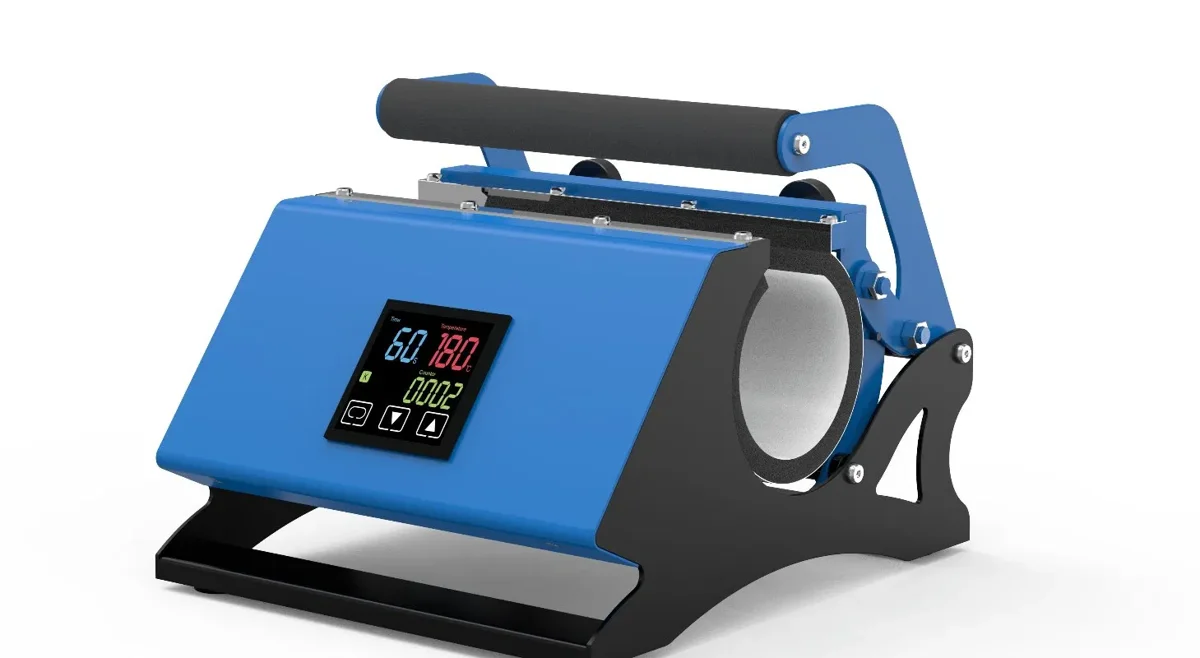
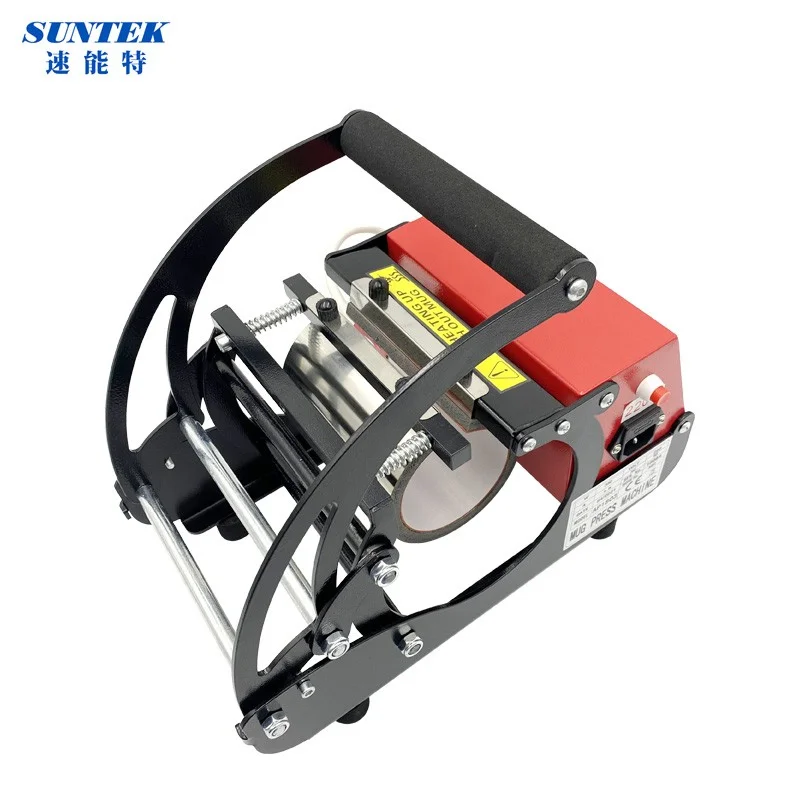
STM-M17T identifies a 20oz straight-tumbler press, with 500 W stated power and an auto-open operating mode. STM-MTP30L has a broader stated application of mugs, tumblers and bottles and an LCD display controller. The Suntek STM-MTP30L listing gives that application reference. A single-mug press, a straight-tumbler press and a broader cup-application description give the equipment conversation different starting points, with each specification kept beside its model.
Bring the chosen blank's diameter, height and shape information to the press discussion, with the intended artwork area. The relevant heating attachment, electrical configuration and preparation requirements need answers for that selection. If a press is already in use, start with its reference. You can then discuss the actual equipment and vessel, without treating a shared catalogue as a compatibility answer.
For installation questions, keep the stated values with their models. ST-110 has the 5 kg weight and 280 W power reference; STM-M17T has the 500 W reference and auto-open mode. These are useful identifiers in an equipment discussion, without becoming a comparison of output, a complete electrical specification or an explanation of every installation requirement.
Plan the printable area and artwork
For a photograph with a short message beside it, bring the crop and the lettering together. They can still be rough. Once the printable dimensions are known, there is a composition to work with, including the space the design needs around the words and image. A name or wider graphic raises its own placement questions.
For the ceramic mug, the colour inner and handle are part of the visual choice; the printable-area measurements still need to be established separately. For either 20oz item, get the layout information for that model. A template drawn for one vessel shouldn't become the file for another through a change of model name. Where a border or position matters, show it explicitly.
Keep the item reference beside each artwork proposal if several blanks are being compared. That leaves room to change the choice without losing track of which dimensions belong to which drawing. For the speaker tumbler, include any component-handling questions in the same discussion before deciding how the design would enter the proposed process.
Changing the vessel means taking another look at the layout. The same photograph and words may remain, but the printable dimensions need to belong to the new item. Leave the earlier file as a reference and label the version intended for the chosen blank.
Keep consumables specific to the process
The blank, press and intended consumables need to be identified together. Get the preparation and transfer directions for that actual combination, including any surface detail that affects the selection. A mug or tumbler described for sublimation doesn't supply a universal temperature, time or pressure recipe. The proposed equipment and materials still need their own instructions.
An ink, paper or other consumable already chosen needs a reference in the discussion too. Resolve that part while selecting the blank, before an existing recipe becomes the plan by default. The ceramic mug, stainless steel car cup and speaker tumbler each have their own material and process questions. Capacity and a shared application category leave those questions to be answered for the proposed combination.
Prepare a model-by-model order
Start with the vessel references and quantities, then identify any equipment needed. A proposed order containing both a blank and a press should describe the two separately, with the intended pairing addressed explicitly. If an accessory or presentation pack matters, have the included components stated alongside the item. The buying brief page helps gather those details without turning the enquiry into a generic list of drinkware.
Put the destination and any required arrival date beside the design when discussing current supply arrangements. If a model or layout is undecided, leave that choice visible. The product enquiry page is the route for the specific request, with the vessel, artwork and remaining equipment questions all referring to the same proposed purchase.
Questions & answers
Does an 11oz mug automatically match an 11oz press?
No. Capacity and the press's stated mug format are starting references. Get the vessel dimensions and relevant heating-attachment details addressed for the proposed combination. STB-MC04 and ST-110 remain separate products until their actual pairing has been discussed.
Are the two 20oz blanks the same kind of item?
STB-MCCC20 is a 304 stainless steel car cup blank with double-wall construction. STB-ABT20OZ is a double-wall tumbler with a wireless speaker and cover. Choose around those identities, then settle the printable dimensions and process questions for the particular item.
What should I send if I already own a drinkware press?
Its exact reference, the chosen blank model and dimensions, and the proposed artwork. Include the consumables planned for use and any essential presentation requirement. That gives the technical conversation a specific combination to address before a design is treated as ready for production.